L-Art Gallery

CN

L-Art Gallery (Hangzhou) opening this June.

Gallery News 2026.05.28

By / Zhang Wenji
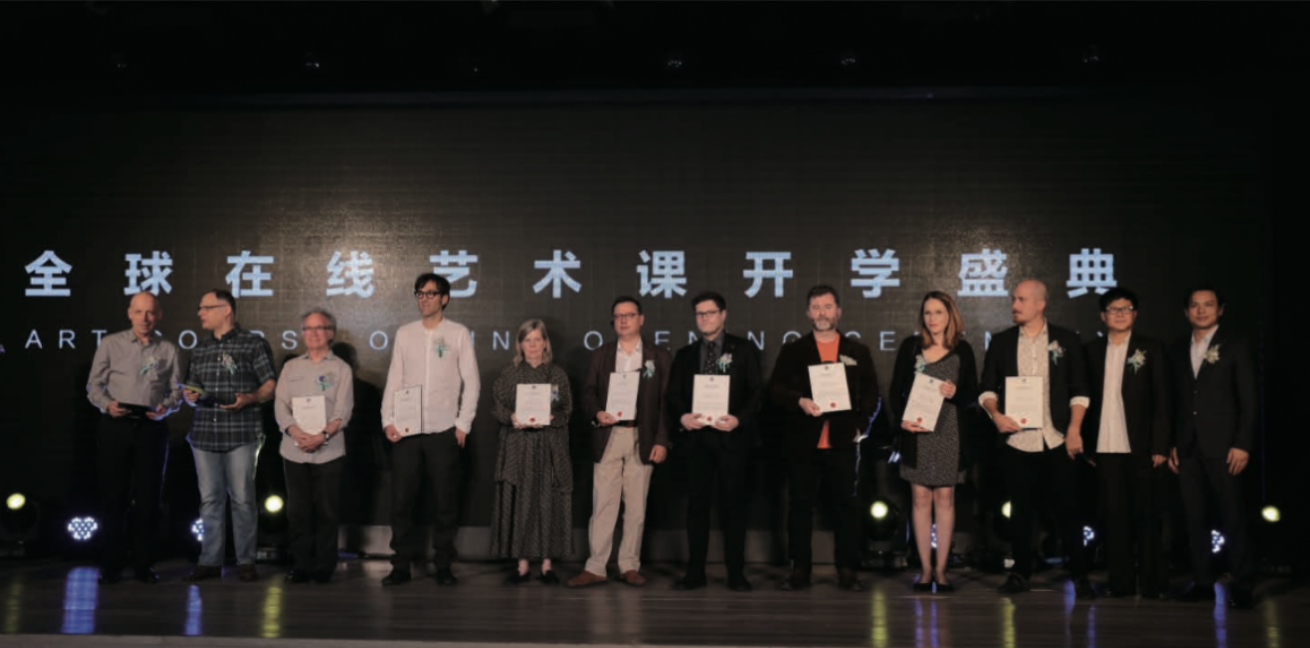
In the fall of 2016, the L-Art team began building an online art platform. On May 20, 2017, the L-Art Online Art Academy (www.lart.org) was officially launched. Over the past decade, we have been dedicated to art education and public engagement, collaborating with outstanding art educators, scholars, and thinkers to develop courses. Through ongoing dialogue, I have grown ever more convinced that the value of human sensibility lies precisely in poetic lingering, in commitment amid uncertainty, and in judgment held firm against the tide—rooted in the neural architecture, bodily warmth, and world model of carbon-based life. Algorithms and technology should serve the very capacities we are increasingly at risk of forgetting: awareness of the body, the cultivation of humanistic values, and the apprehension of what lies beyond words.

微信图片_2026-05-28_110009_791

On May 20, 2017, the L-Art Academy was officially inaugurated.


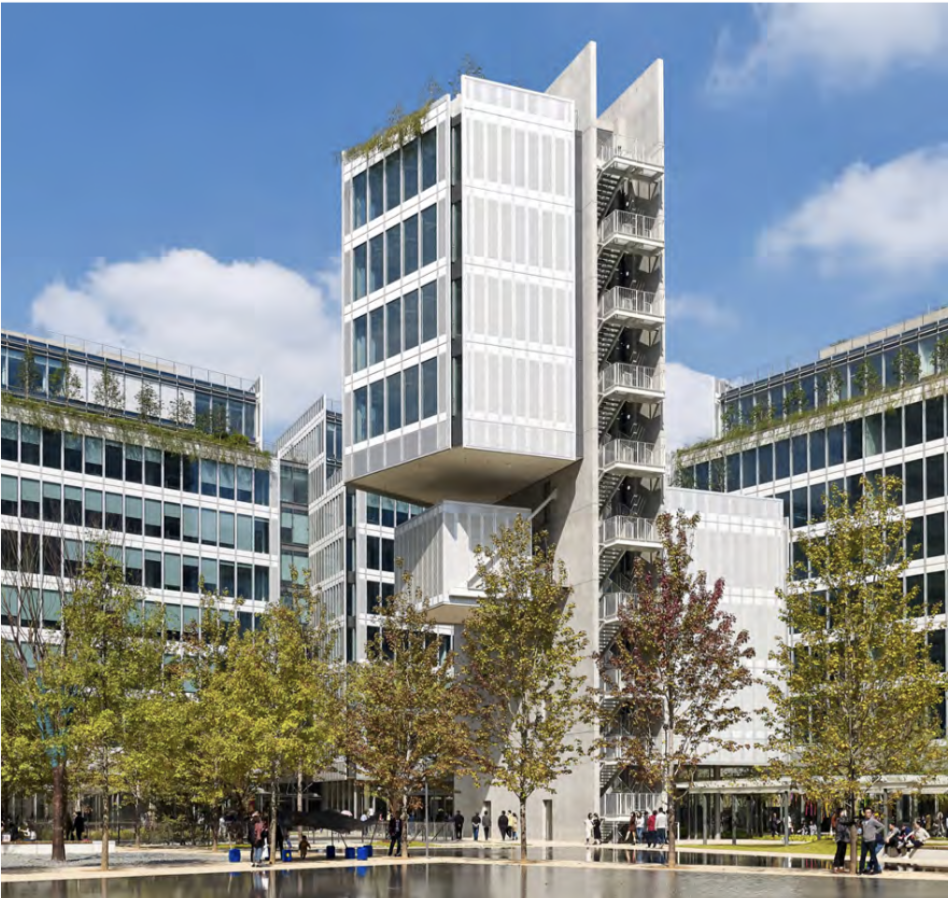
I have accompanied L-Art for a decade. This June, L-Art Gallery (Hangzhou) will open its doors. Located in Tianmuli — the first project in China by Pritzker Prize laureate Renzo Piano — the gallery is the most poetic embodiment of this vision. This "poem of the city" constructs a vibrant urban living room through poetics and nature. Here, L-Art Gallery initiates a cultural space for dialogue and collecting, continually supporting creators who confront digital flattening with craft, memory, and lived experience — even as they embrace new technological tools.

微信图片_2026-05-28_104503_621

Tianmuli is an approximately 230,000-square-meter architectural complex comprising 17 individual buildings and a central plaza, bringing together practitioners, enthusiasts, and enterprises across the fields of art, architecture, design, creativity, nature, and culture.

I deeply resonate with Jacques Rancière's assertion that the most fundamental role of the artist is to redistribute the framework of perception — to produce questions and expressions charged with tension, and to refuse domestication by the "second" and "third nature." In the feed-driven loops of information cocoons, human sensibility is gradually dulled, and the capacity to grasp what lies beyond words steadily erodes. Yet our yearning for deeper feeling swings like a pendulum — when life reaches a certain stage, it will swing back. AI, as an architecture of non-carbon-based life, can approximate and generate similar styles through fitting, but it cannot achieve for humanity the vital communion between artwork and community that art enables: your first visit to a gallery, in the slanting light of a four o'clock afternoon, when a figure in a painting or a certain object silently enters into dialogue with a state of mind you carried that very morning — just as Benjamin described, a return to "the authenticity of the here and now": gazing at every inch of an artwork's true texture, color, and breath, seeking the warmth of humanity behind it. Why does art move me so? Why can I not refuse to gaze?
Behind the international art ecosystem lies a complete chain of art communities, established galleries, foundations, and secondary markets. The art business is not mere calculative rationality; it is a vital infrastructure for value discovery, long-term cultivation, and cultural dissemination. Looking back to the Renaissance, the Medici family served as an incubator of humanism — their patronage was never simply an injection of wealth, but a liberation of art from singular dependencies. Ideal creativity and familial capital clashed fiercely here, together forging the resplendent era of Leonardo da Vinci and Michelangelo. In the nineteenth century, Durand-Ruel, with the vision of a dealer and the courage of the market, built an international collecting network for Impressionism, allowing works once marginalized by the salons to rewrite art history. Over more than four decades of reform and opening-up, Chinese contemporary art has undergone a structural evolution — from marginal experimentation to engagement with globalization — beginning to form a nascent ecology of "autonomous production": a system comprising artists, collectors, institutions, capital, media, and urban spaces has begun to take shape, inaugurating China's own "world gallery." History's medal reminds us: genuine artistic breakthroughs are never isolated flashes of inspiration, but a deep symbiosis with a professional ecosystem.


微信图片_2026-05-28_105959_294

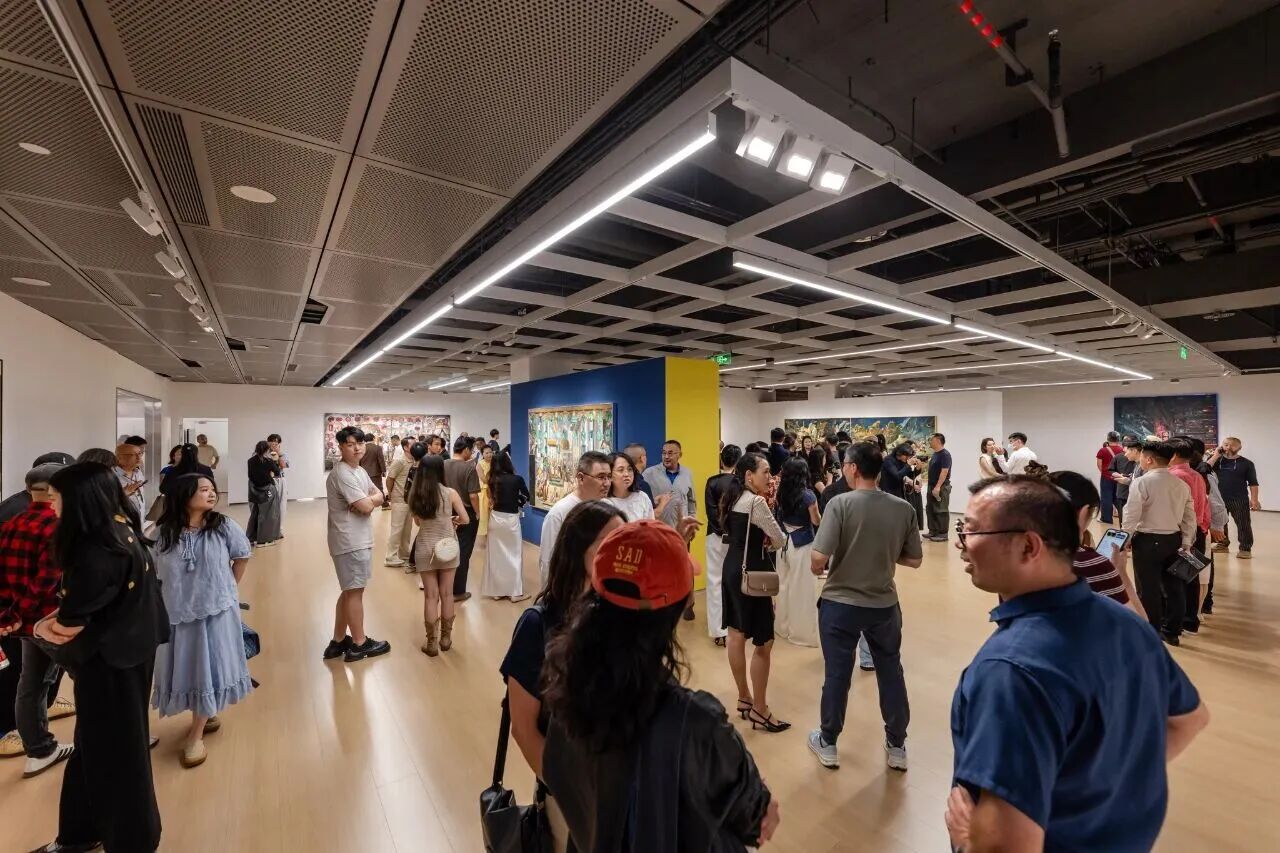
In November 2025, L-Art Gallery (Shenzhen) officially opened.

At the heart of art is the artist, yet the institutions and individuals surrounding them undertake immense work — from exhibitions, criticism, media, and publishing, to collecting and art historical scholarship. Without these, artistic creation remains at the raw level of personal expression, unable to influence society or enter the discourse of art history. The L-Art team hopes to contribute to building a healthy art ecosystem and aspires to be a catalyst for change. We warmly invite artists, collectors, and fellow thinkers who refuse to be assimilated by algorithms and who maintain a keen judgment of contemporary art to step into this habitat of the humanities together. Here, we will encounter works that pierce through the canvas and strike straight at the heart. Join us in safeguarding this experiment in the restructuring of perception, as we await and propel the pendulum's inevitable restart.